


Kyle’s Rating: 5/10
Brad Gerstner’s journey from Indiana politics to pioneering the crossover investment model offered fascinating insights into how Altimeter bridges public and private markets, particularly his apprenticeship under Paul Reeder and the gutsy 2008 launch with just $3 million. While his founder’s mentality philosophy and Invest America vision were compelling, the episode lacked the narrative depth and business mechanics that make Acquired’s traditional company deep-dives so exceptional, feeling more like a standard investor interview than the show’s signature storytelling format.
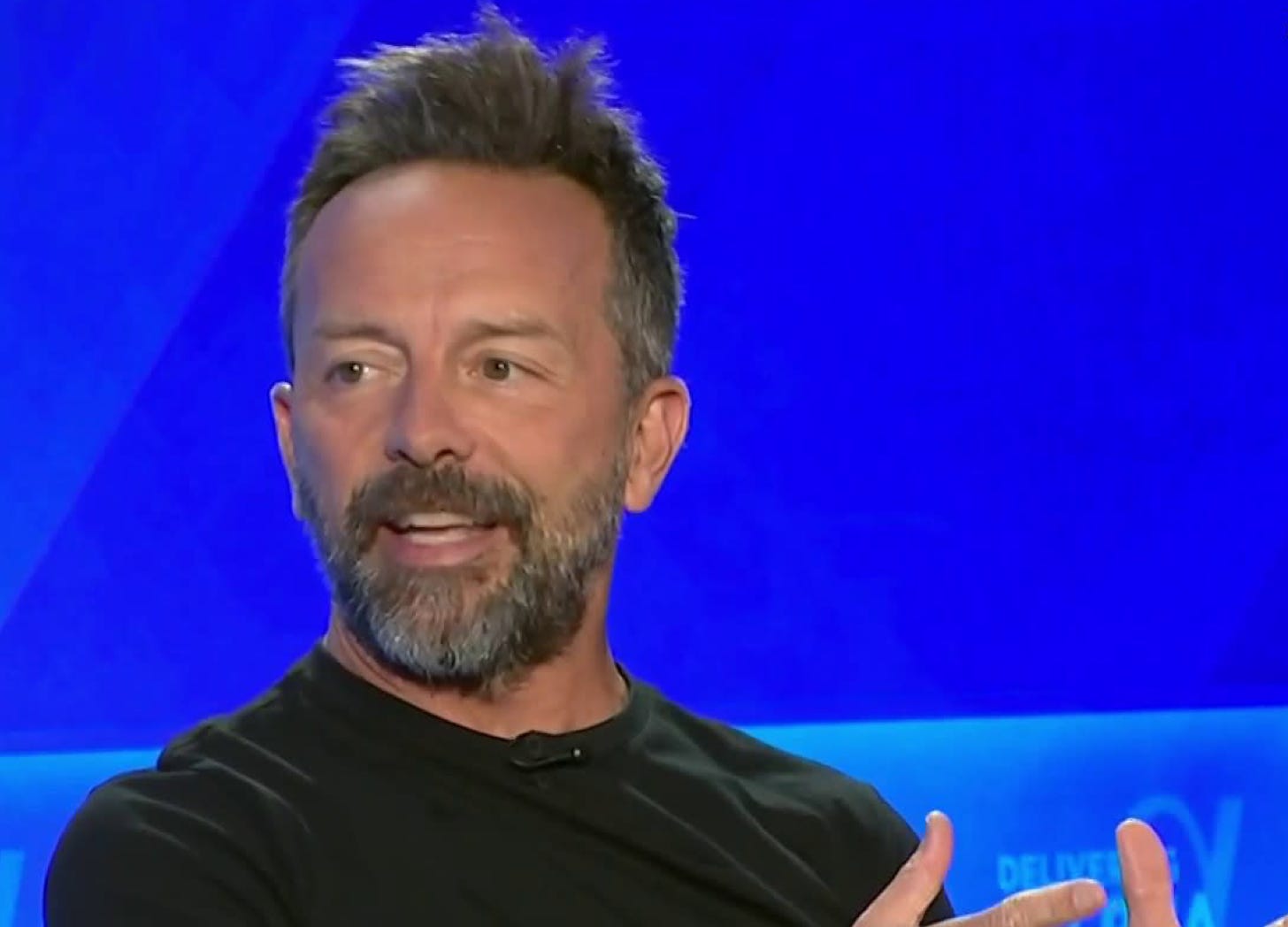
Brad Gerstner – Founder & CEO, Altimeter Capital
Brad Gerstner pioneered the modern tech “crossover/lifecycle” investment model, a single concentrated platform that invests in the best technology companies whether public or private. Having started five companies himself, Gerstner built Altimeter with a “founder’s mentality” rather than traditional hedge-fund or VC mentality. Launched on November 1, 2008 with ~$3 million at the financial crisis bottom, Altimeter grew to nearly $15 billion AUM by 2022 by staying relentlessly concentrated around its best ideas and partnering with founders from post-Series A/B through public markets.
The episode focuses on Gerstner’s personal journey: family entrepreneurship trauma, political detour, multiple operating exits, apprenticeship under Paul Reeder, and deliberate creation of the crossover model. This forms the origin story of Altimeter and its broader mission: deliver long-duration growth capital and democratize access to private-market returns through “Invest America.”
Notable Facts
Launched Altimeter on November 1, 2008 with ~$3 million during the financial crisis depth; first trade was Priceline at $42 (still owned at $2,000+).
Brother invested his entire life savings (~$500k rebuilt after fraud); retired <10 years later.
Apprenticed for 2½ years at PAR Capital (started unpaid) rather than starting own firm immediately.
Delayed dedicated venture capital until 2011-2012 and only moved firm to Silicon Valley in 2012.
Deliberately focuses post-Series A/B; “the first 2–3 years are craft building.”
Key Decisions
Leaving politics for business/HBS (1998-1999)
Context: Deputy Secretary of State of Indiana at 26; faced choice between running for higher office (constant personal fundraising) or making money to self-fund campaigns like Ross Perot.
Outcome: Pivoted to HBS → Silicon Valley; became multi-time entrepreneur and eventually investor.
Analysis: Avoided lifetime of groveling; preserved independence and aligned with growing belief that real risk-taking needs capital without personal ruin.
Apprenticing unpaid at PAR Capital
Context: After entrepreneurial exits, wanted to master hedge-fund craft; offered to run tech book for free if Paul Reeder would mentor him daily.
Outcome: 2½-year masterclass; built conviction in concentrated portfolios, led Zillow Series B, entire book in Google/Priceline winners.
Analysis: Delayed gratification created intellectual and risk-management foundation that made 2008 launch possible.
Launching Altimeter with ~$3 million on Nov 1, 2008
Context: Newly married, first child born June 2008, world collapsing; original $100-200m commitments evaporated.
Outcome: Survived and compounded spectacularly; proved model in toughest environment.
Analysis: “Worst possible timing” became ultimate demonstration of founder’s mentality and conviction.
Delaying dedicated venture capital until 2011-2012 & moving to Silicon Valley
Context: 2008-2010 LPs hated commingled public/private; had to prove public track record first.
Outcome: First dedicated venture pool 2012; investments included Snowflake (led Series C), MongoDB, ByteDance, etc.
Analysis: Disciplined sequencing turned perceived weakness (Boston, tiny) into strength (earned trust before asking for long-duration capital).
Choosing to focus post-Series A/B rather than compete in seed
Context: Early stage already owned by legendary craft builders (Benchmark, Sequoia, a16z); Altimeter could add maximum value later.
Outcome: Differentiated position; highest compliment “best of Tiger + best of Sequoia.”
Analysis: Counter-positioning created durable moat in increasingly crowded market.
Key Quotes
“In venture capital, if you fail, the risk is largely on the venture capitalist… What risk are you talking about? The risk is have a young family, mortgage your house, mortgage your car, double-digit interest rates and inflation. The business goes under… That’s risk.”
Brad contrasting real personal risk his father took in 1980s Indiana with almost non-existent personal risk most Silicon Valley founders face today.
“I want to build the best crossover fund in the world that’s based in Silicon Valley, built by a founder… more empathetic and more closely aligned with founders, like true venture but could scale all the way into the public markets.”
Core articulation of Altimeter’s original mission and differentiation when launching in 2008.
“We have a founder’s mentality… the empathy of a founder + scalability of capital.”
Brad’s shorthand for what differentiates Altimeter from both traditional hedge funds and traditional VC firms.
“We’ve largely deprived the public markets of [100X investments] today… Over $300 billion of value creation [in ByteDance] that goes to the Sequoias, the Altimeters… and no retail investor has access to that.”
Highlighting inequity created by accredited-investor rules and companies staying private longer.
“Invest America: every child born in the United States gets an account… we fund that account based on means… you can’t take the money out. It compounds at 6–7% for 50 years, it’s worth $1 million… much more importantly, the behavioral psychology — they actually have to be part of the game.”
Brad’s signature policy idea to turn 100% of Americans into owners and fix wealth inequality at the root.
Additional Notes
Episode Metadata:
Title: **Altimeter (with Brad Gerstner)** (Season 10, Episode 4)
Duration: 1:53:12
Release Date: March 14, 2022
Related Episodes:
Links: