In luxury, there’s Hermès… and there’s everyone else. Stewarded by one French family over six generations, Hermès sells the absolute pinnacle of the French luxury dream. Loyal clients will wait years simply for the opportunity to buy one of the company’s flagship Birkin or Kelly bags. Unlike every other luxury brand, Hermès:
Doesn’t increase supply to meet demand (hence the waitlists)
Doesn’t loudly brand their products (IYKYK)
Doesn’t do celebrity endorsements (stars buy their bags just like everyone else)
Doesn’t even have a marketing department! (they barely advertise at all)
And yet everyone knows who they are and what they represent. But, despite all their iconoclasm, this is not a company that’s stood still for six generations. Unbeknownst to most, Hermès has completely reinvented itself at least three times in its 187-year history. Including most recently (and most dramatically) by the family’s current leaders, who responded to LVMH and Bernard Arnault’s 2010 takeover attempt by pursuing a radical strategy — scaling hand craftsmanship. And in the process they turned the company from a sleepy, ~$10B family enterprise into a $200B market cap European giant.
Kyle’s Review: 10/10
Ben and David deliver some of their finest storytelling yet in this masterful deep-dive into Hermès, somehow making the intricacies of saddle stitching and silk scarf production absolutely captivating through their expert narrative craft. This episode perfectly captures how Hermès has built a $200+ billion empire by honoring traditional craftsmanship above all else - I've never encountered a company that so completely dedicates itself to preserving and scaling artisanal traditions in the modern world. From Napoleon's influence on luxury to Bernard Arnault's failed takeover attempt, Ben and David weave together 187 years of history into a compelling story that reveals why Hermès stands alone as the crown jewel of luxury.
Company Overview
Company name: Hermès
Founding year: 1837
Headquarters location: Paris, France
Hermès is a luxury goods company specializing in high-end leather products, silk scarves, and other artisanal items. Rooted in equestrian heritage, it has evolved into a global symbol of craftsmanship and exclusivity.
Its significance lies in maintaining family control across six generations while achieving a $200 billion market cap through intentional scarcity, handcrafting, and a brand that embodies French nobility and whimsy. This sets it apart from conglomerates like LVMH by rejecting mass production and focusing on timeless quality.
Narrative
The Hermès narrative unfolds across six generations, each rallying to elevate the company amid existential threats, blending craftsmanship with strategic adaptation.
First Generation (1837–1878): Thierry Hermès, an orphaned immigrant, founds the business capitalizing on Napoleon III's Paris modernization. Wide boulevards like the Champs-Élysées showcase nobility's carriages as the new wealthy merchant class desires to display their wealth. Thierry's harnesses for elites like Empress Eugénie establish excellence, but the horse's decline looms.
Second Generation (1878–1902): Charles-Émile apprentices under Thierry, adds saddles for active nobility, and relocates to the iconic Faubourg Saint-Honoré, preserving equestrian focus amid urbanization.
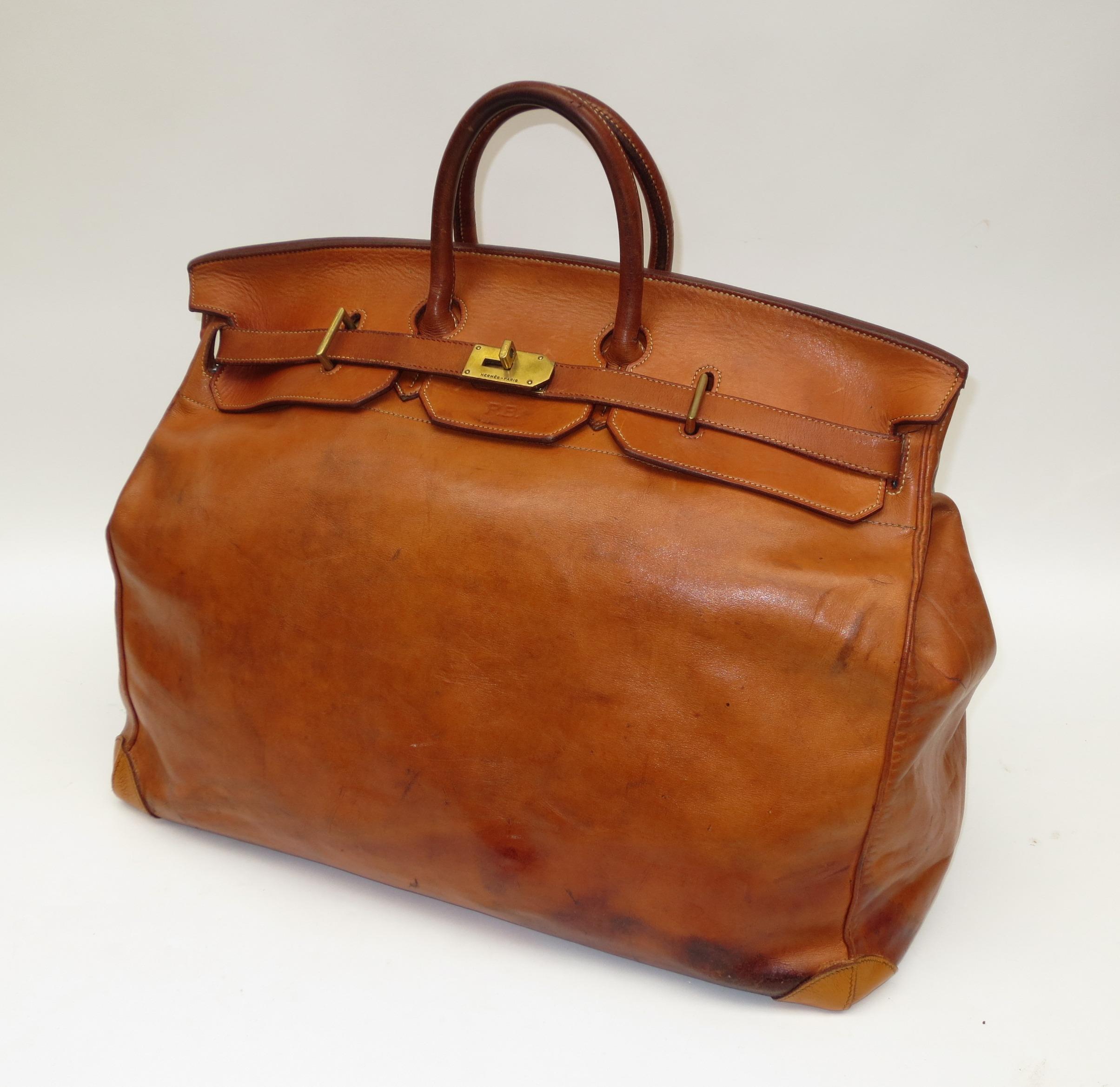
Third Generation (1902–1919/1951): Adolphe and Émile rename the company Hermès Frères. Émile's Russian conquest secures the Tsar, but automobiles threaten. Inspired by Henry Ford, Émile pivots to car accessories, introducing zippers and adapting the Haut à Courroies bag. In the 1920s, as global elites travel luggage becomes a status display—Hermès supplies exquisite bags for the elite traveler, expanding to resorts.
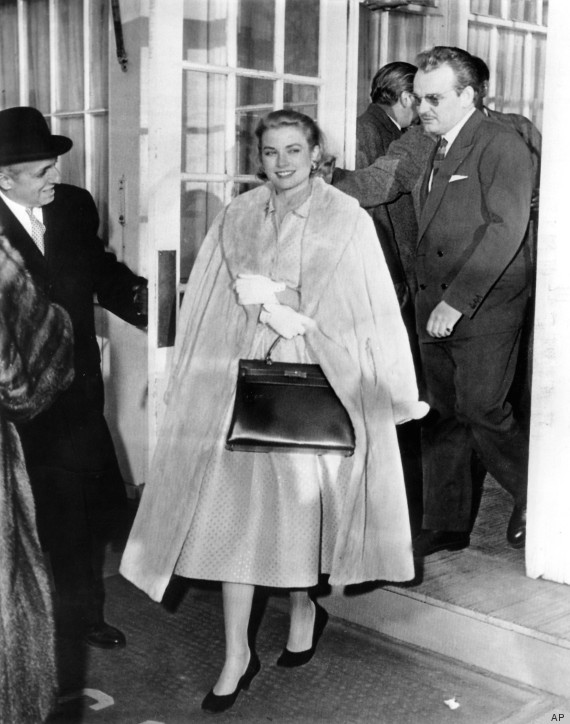
Fourth Generation (1951–1978): Robert Dumas infuses whimsy through bag redesigns, scarves (popularized by Queen Elizabeth), jewelry, and theatrical windows. Wartime shortages birth the orange Hermès box. Originally for bakeries, it becomes iconic, symbolizing adaptation without compromise. The Kelly bag's 1956 fame via Grace Kelly hiding her pregnancy creates global appeal, but 1970s hippies reject nobility. Consultants urge Gucci-like outsourcing, yet Robert upholds craft.
Fifth Generation (1978–2006): Jean-Louis Dumas modernizes without dilution through campaigns featuring scarves with jeans for youth and internationalizes amid the global wealth boom. He creates the Birkin in 1984 for Jane Birkin. Revenue surges 40x to $2 billion; the 1993 IPO provides liquidity, but Arnault lurks.
Sixth Generation (2013–present): Axel and Pierre-Alexis Dumas defend Bernard Arnault’s attempted takeover as the family bands together via H51. They scale artisans to 7,000 through schools, and partner with Apple for watches. Embracing "creation, craftsmanship, exclusive distribution," they reject cutting-edge trends like Gucci/Dior, minimizing changes for responsible growth—asking "what's the least shift to serve clients?" From €4 billion to €14 billion, they sustain the dynasty.
Timeline
1801: Thierry Hermès born in Krefeld, Germany; becomes orphan by 20 due to Napoleonic Wars
1821: Thierry moves to Normandy, apprentices in equipage craftsmanship for 16 years
1837: Thierry opens Paris shop on Rue Basse-du-Rempart, excelling in harnesses for nobility amid city modernization
1878: Thierry dies; son Charles-Émile takes over, adds saddles
1880: Moves to 24 Rue du Faubourg Saint-Honoré (Le Faubourg flagship)
1902: Charles-Émile retires; sons Adolphe and Émile rename company Hermès Frères, introduce Haut à Courroies bag for saddles/boots
1916: Émile visits U.S., meets Henry Ford, secures zipper license; creates first zippered jacket
1919: Émile buys out Adolphe, pivots to automobile accessories
1922: Émile's wife inspires smaller handbag
1925: Adds ready-to-wear clothes; 1927 jewelry; 1928 watches
1935: Robert Dumas redesigns handbag as Sac à Dépêches
1937: Introduces silk scarves with whimsical designs
1940s: Queen Elizabeth popularizes scarves as headwear
1956: Grace Kelly photographed in Life magazine with Sac à Dépêches, hiding pregnancy
1977: Robert renames it Kelly bag
1978: Jean-Louis Dumas becomes CEO, launches ads with young women in scarves/jeans
1984: Jean-Louis designs Birkin bag on flight with Jane Birkin
1993: Lists on Paris Stock Exchange, family sells 19% stake
2001: Bernard Arnault buys initial 4.9% stake secretly
2003: Axel Dumas joins finance department
2006: Jean-Louis retires; Patrick Thomas (non-family) as CEO, Pierre-Alexis artistic director; revenue hits $2 billion
2010: LVMH reveals 14.2% stake; takeover battle begins
2011: Family forms H51, locking 50.2% shares for 20 years
2013: Axel becomes CEO
2015: Partners with Apple on Watch bands
2020: Launches beauty with lipstick
2023: €14 billion revenue, 15%-20% growth
Notable Facts
Hermès owns its signature orange color, unavailable in Pantone, adapted from wartime shortages and now varied across leathers like feu (fire) and sanguine (blood-red)
Silk scarves, once 55% of sales in 1988 versus leather's 9%, now represent 7% while leather is 43%. Each requires 300 moth cocoons and hand-screening with up to 20 masks
Birkin and Kelly bags generate 25%-30% of revenue, made by one artisan in 20 hours from 36 leather pieces, with 120,000 produced annually
Hermès employs 7,000 artisans (80% women, average age 30), training them via schools to scale production 7% yearly without factories, preserving a dying craft
Financial & Client Metrics
2023 revenue: €14 billion, up 15%-20% annually under Axel
Operating income: €5.7 billion; gross margin 71%, operating margin 44%
Net income: €4.3 billion, split one-third dividend, one-third capex, one-third cash; €10 billion cash reserves
Market cap: $230 billion, up 16x since 2010 Arnault stake reveal
Revenue breakdown:
Leather goods 43%
Ready-to-wear / Accessories 27%
Silk / Textiles 7%
Perfume / Beauty 4%;
Watches 4%
Other 12%
Employees: 21,000 total, 7,000 artisans; 300 stores in 45 countries
Regional sales: Asia-Pacific (ex-Japan) 48%; Japan 10%; France 9%
Saddle Stitch
The saddle stitch, Hermès' hallmark since equestrian origins, ensures durability through two needles on one thread interlocking through pre-punched holes, creating tensile strength in both directions. To complete the stitch:
Clamp leathers on a "horse"
Poke partial holes with pricking iron or awl for minimal visibility (tight holes signal mastery, vanishing stitches absorb seamlessly)
Pass one needle right-to-left, the second opposite, pulling taut
If it ever rips, only that stitch fails, repairable without unraveling.
It requires two years' training before touching products, passed generationally as savoir-faire. Unlike machine stitching (up-down single thread, prone to full failure), it's hand-only (or was until recently), overkill for bags but evoking life-or-death equestrian needs. If machines surpass hand quality, they'll adopt, as they're "not a museum." This ties to their power of cornered resources in artisans, counter-positioning against assembly lines.
Scarf Process
Hermès scarves, introduced in 1937 by Robert Dumas, epitomize whimsy and craftsmanship, once representing 55% of sales (1988) versus leather's 9%, now 7% of €14 billion revenue. Sourced from owned Brazilian farms, silk from 300 moth cocoons per scarf ensures fineness. The two-year pipeline produces only 20 new designs annually, retiring old ones Disney-vault style for scarcity.
The process begins with designers translating themes—often historical nods like store addresses—into patterns, sometimes via computers but hand-refined. Engravers hand-etch masks (stencils) for each color layer, up to 20 per scarf; colorists select dyes; weavers prepare silk. Printers screen-print manually, squeegeeing ink per mask with perfect alignment—visible flaws ruin pieces, demanding restarts for precision.
The process demands seeing handwork at every step. Finishers hem edges, often saddle-stitched. Queen Elizabeth's 1940s headscarves globalize them, yet French women embrace them uniformly. Today, apps teach tying, adapting digitally without compromise. This fluid, narrative process—screened individually, retired designs—strengthens branding, creating fun implications for enduring appeal amid challenges like Asia slowdowns.
Kelly Bag
The Kelly bag, originally the Sac à Dépêches introduced in 1935 by Robert Dumas, embodies Hermès' elegant evolution from equestrian roots to timeless luxury. Redesigned from the smaller Haut à Courroies, it features a trapezoidal shape, single handle, and turnstile lock, crafted in supple leathers for practicality amid the automobile's rise. Its $900 price in the 1950s—equivalent to $10,000–$12,000 today—positioned it as unattainable yet aspirational for elites like Grace Kelly.
Its pivotal moment arrives in 1956 when a Life magazine photo captures Kelly clutching the bag to conceal her pregnancy, sparking global desire. It wasn't immediate scale—the market for such premiums was smaller then—but it burnished Hermès' dreamlike aura. Renamed Kelly in 1977 by Robert before retiring, it transitions from accessory to icon, with mid-century lines evoking nobility's grace.
Today, starting at $12,000, it generates 25%–30% of revenue alongside Birkins, handcrafted by one artisan in 20 hours using 36 leather pieces and saddle stitching. Its Veblen appeal means scarcity stimulates demand, making it an investment—resale often exceeds retail. Unlike flashier brands, Kelly's quiet luxury signals status subtly, tying to themes of durability and whimsy, where craftsmanship creates soulful heirlooms repairable forever, enhancing Hermès' unassailable position.
Birkin Bag
The Birkin bag, conceived in 1984 by Jean-Louis Dumas on a flight with Jane Birkin who was struggling to hold all her baby bottles in her bag while she was sitting next to Jean-Louis on a flight. She said that she’d get a baby bag when Hermès makes one. Jean-Louis siad, “I am Hermès.” and they sketched it out together on that flight.
It revolutionizes Hermès as a functional yet whimsical tote countering the Kelly's formality. Birkin, the era's It girl, complains of her wicker basket's impracticality for motherhood; Dumas sketches a larger, two-handled version of the Haut à Courroies—trapezoidal, with crossover belts and lock, but shoulder-friendly. Priced initially at $2,000 (inflation-adjusted ~$6,000), now $12,000–$100,000 for exotics.
Launched amid Jean-Louis' modernization, it falters for five years before exploding in the go-go 1980s, embodying accessible status. Its 2001 Sex and the City fame, where Samantha jumps a five-year waitlist, cements the lore of scarcity—120,000 Birkin/Kelly annually, yet impossible to buy outright. Secondary markets yield up to $500,000 per bag, turning bags into investments like Patek watches.
Crafted identically to Kellys—one artisan, 20 hours, saddle-stitched—Birkins add utility for modern life, from baby bottles to daily carry. Its soul ties to branding, where authenticity draws celebrities like Victoria Beckham (100+ collection) without endorsements. The bundle of exclusivity dominates clients, fostering loyalty amid 15% growth, though it risks dilution if scaled beyond craft constraints.
Scaling Craftsmanship
Hermès scales handcrafting paradoxically, from 250 artisans (1980s) to 7,000 via internal pipeline, solving Patrick Thomas' paradox: "Luxury is built on desirability, but more sales diminish it." Their vision resolves this by rate-limiting growth—7% production yearly, adding 500 artisans, capping ateliers at 250–300 for know-by-name culture (over 300 becomes factory).
Trade schools in rural, high-unemployment France yield 100% graduation, training saddle stitching and savoir-faire; the average artisan is 30, 80% women—a wholesale shift from old men. They were Amazon (core craft), then added AWS (schools scaling horizontally like data centers)—31 ateliers nationwide, adding 2–4 yearly.
It starts with craft constraints—2+ years apprenticeship, one artisan per bag (20 hours), no machines unless superior (they're "not a museum"). This forces scarcity: 120,000 Birkin/Kelly annually, yet waitlists persist. It preserves dying art; governmental École Hermès degrees embed policy. €6 billion leather revenue (43%), 15% CAGR, but fun sustains; handmade has soul. Challenges remain: saturate markets? Yet it counters conglomerates, implying resilience as the anti-LVMH.
Entering Wealthy Markets
Hermès observes nations' wealth rises, entering when an upper class emerges ready to adopt French heritage. Asia-Pacific (ex-Japan) surges from 17% to 48% of sales, with 80% of Chinese clients under 40. Unlike aggressive expansions, Hermès waits—for example, Japan (27% in 2006, now 10%) boomed first, with per capita purchases twice China's.
This second-mover strategy lets economies mature: watch America's 1980s wealth, Japan's bubble, China's middle-class explosion, then offer "the entire history of French nobility." Stores target locals, not tourists—Aix-en-Provence felt welcoming for honeymoon gifts, yet global elites travel, creating cross-pollination.
No blanket entry strategy exists; they assess if locals can sustain exclusivity. France drops from 19% (2006) to 9%, as 85% of production stays French but 85% sells abroad. This weaves into strategy: responsible growth avoids dilution, entering with the full heritage bundle—craft, whimsy—fostering aspiration without hype, ensuring long-term dominance amid peers' pullbacks.
Pricing Strategy
Hermès' pricing defies Econ 101, embodying Veblen goods where higher prices stimulate demand, signaling desirability despite no added utility—opposite of typical curves. As cost rises, people crave more, viewing it as exclusive; add scarcity (below market-clearing supply), and frenzy ensues. Birkin bags, starting $12,000–$100,000 for exotics, sell above retail on secondary markets—up to $500,000—yet Hermès resists dramatic hikes, appreciating 7% annually (4%–5% above inflation).
Why not charge $20,000+ retail, capturing surplus? It's brand investment. Substack writer 310 Value notes: "The supply-demand mismatch creates scarcity... elevating Hermès' status and demand for other products, as customers buy to build relationships for allocation at below-market prices." This fosters loyalty—spend on scarves/belts for Birkin access—trickling value across categories.
Unlike Chanel's rapid hikes (classic flap tripled recently), Hermès' restraint builds trust; The birkin bag hasn’t really increased much in price (on an inflation adjusted basis).
Implications: 120,000 Birkin/Kelly yearly yield 25%–30% revenue, but capping production (craft constraints) leaves billions on the table—intentional for purity. They trade off slower growth for unassailable positioning, where pricing fuels aspiration without alienating, outlasting bubbles.
Fight with Arnault
Hermès' finest moment unfolds in 2010–2014 against Bernard Arnault's LVMH takeover, a David-vs.-Goliath defense preserving independence.
Arnault quietly amasses 4.9% in 2001, escalating to a 14.2% via equity swaps (hiding ownership) in 2010, claiming to protect France's crown jewel from rivals. By 2011, his 22.6% stake shrinks the float, inflating shares—tempting 80 family members with liquidity.
CEO Patrick Thomas quips provocatively in the press saying “"If you want to seduce a beautiful woman, you don't start by raping her from behind." Karl Lagerfeld retorts that public listing invites raids.
The drama unfolds through lawsuits deeming swaps illegal (LVMH fined $10–$15 million), but Arnault swaps 8% of Hermès stock into his family office, gaining full Dior control and 10% more LVMH stake—tax-free, with 4x–5x appreciation.
Generational shift (Jean-Louis retiring, Axel unproven) and cracks (beach bag fiasco, Leica stake, Shang Xia flop) embolden Arnault, who sees unlockable value. Yet the family rallies: over 50 members contribute 50.2% to the H51 cooperative, locking shares for 20 years (renewed to 2040s), with Puech brothers granting first refusal. Julie Guerrand heads the defense; ironclad bylaws limit shareholders to Émile Hermès descendants.
Initial naivety exposes them, but coordination amid billions creates heroism—rebuffing makes all winners, with Hermès' market cap 16x since. Even losing, Arnault wins $5 billion, but Hermès' purity triumphs, echoing how fun sustains dynasty against conglomerates.
Good for the World vs. Bad for the World
Good for the World
Preserves dying artisanal crafts through schools and 7,000 artisans (80% women, average age 30), revitalizing rural France with jobs and 100% graduation rates, fostering savoir-faire transmission that enriches cultural heritage
Lifetime repairs and durable products promote sustainability, reducing waste as items last generations, with Petit H creatively upcycling scraps into whimsical goods that delight without excess production
Whimsical branding inspires joy and aspiration globally, from French nobility echoes to diverse clients, democratizing a dreamlike experience that values quality over quantity
Responsible growth initiatives, like releasing farmed crocodiles into the wild, aim to replenish endangered species, while efficient material use (e.g., burning fewer imperfects) evolves toward ethical standards
Bad for the World
Exotic leather farming, including crocodiles for Himalaya Birkins, raises animal welfare concerns despite in-house controls, with Jane Birkin once protesting practices seen as exploitative; killing animals for handbags remains core to business
Burning imperfect products wastes resources, even as rates decline, prioritizing brand purity over utility in a resource-scarce world
Extreme pricing and scarcity fuel elitism, signaling status amid inequality, while €10 billion cash hoarding could fund broader societal benefits instead of dividends
High margins on Veblen goods encourage consumerism without proportional value, potentially normalizing excess in an environmentally strained era
Powers
Branding: Heritage of whimsy and nobility commands premiums for identical objects, as quiet luxury signals status subtly, fostering loyalty where celebrities buy without endorsements, bolstering unassailable market cap growth
Cornered Resource: Controls 7,000 artisans trained in saddle stitching and savoir-faire, a dying craft no competitor can scale, enabling 120,000 Birkin/Kelly bags annually and strengthening position through exclusive schools that preserve irreplaceable skills
Counter-Positioning: By rejecting assembly lines and owning production, avoids competitors' mass appeal, allowing handcrafting that rivals can't replicate without alienating their scale-focused models, enhancing exclusivity and durability
Playbook
Handbags as Best Product: Leverages handbags' advantages—easy sales (no sizing), high margins (10–12x costs), volume (though constrained)—but uniquely: no display, private rooms impede velocity, low volume (120,000 Birkin/Kelly yearly) defies ease, yet 25%–30% revenue from scarcity trumps peers' hype
No Marketing Budget: 4.5% revenue on communication (two-thirds events), versus LVMH's 12%; no celebrity endorsements—stars buy anyway, amplifying authenticity; lore/word-of-mouth builds community, saving costs while dominating clients
Merchandising Pull Model: Stores for locals, managers "buy" stock at biannual Podium with budgets (one item per category minimum); no calls ahead, fostering treasure hunts—diverse inventories per region, enhancing fun/experience without push uniformity
Employee Turnover: 6% annual (4.5% voluntary), versus U.S. 33% or LVMH's 24%; craftspeople stay forever—only game in town, savoir-faire transmission—yielding 20+ year tenures, preserving knowledge amid manufacturing/retail churn
Job to Be Done - Value Proposition Bundle: Bundles exclusivity, service (repairs forever), craftsmanship, shopping experience (warm, whimsical stores), and brand; no unbundling—Louis Vuitton lacks craft, Supreme exclusivity without service, independents no brand—creating unassailable niche
Quintessence
David - How is it stronger in the sixth generation? It's because they have fun—whimsy and culture prioritize enjoyment over pure winning; rejects consultants/LVMH scale for joy, sustaining family commitment across eras
Ben - You can sell the same products (handbags) as somebody else but build an entirely different business—Hermès' craft/scarcity model differs from LVMH's scale/hype; same category doesn't mean competition, enabling unassailable purity
Acquired Universe Crossovers
LVMH - Hermès and Louis Vuitton represent two completely different business models despite both selling luxury handbags, with Hermès rejecting Bernard Arnault's takeover attempt and maintaining their exclusive, handcrafted approach versus LVMH's mass luxury strategy.
Amazon - Creating schools was like when Amazon added AWS. Just as Amazon built internal infrastructure (AWS) that became a massive external business, Hermès created internal training schools to solve their craftsman shortage, essentially building the infrastructure to scale their unique handcrafted production model.
Costco - Both Hermès and Costco achieve remarkably low employee turnover (6% vs 7% annually) through exceptional employee retention strategies, with Hermès craftsmen staying over 20 years on average due to the unique, irreplaceable skills they develop.
Acquired is the Hermès of podcasts - Like Hermès, Acquired creates scarcity through limited production (one episode per month), maintains high quality through extensive research and craftsmanship, and serves an exclusive audience willing to invest significant time in long-form content.
Carveouts
Anker GaN Prime 100W charger: Recommended for its compact, airline-compatible design with two USB-C ports
Matter app: Praised for bundling read-it-later, podcasts, newsletters, and text-to-speech in realistic voices, replacing Instapaper
Perplexity AI: Highlighted for reliable, source-linked searches outperforming Google, even admitting unknowns to save time
The Score Takes Care of Itself by Bill Walsh: Endorsed for leadership insights on persistence and fun, tying to Hermès' family joy
Additional Notes
Episode metadata:
Season 14, Episode 2, "Hermès"
Duration: 4:07:39
Release Date: February 19, 2024
Related episodes:
Links:
Quartr's Hermès: Two Centuries of Craftsmanship and Excellence (with graphs)
00:23: Haut a Courroies, the “high-belted bag” to carry saddles and boots
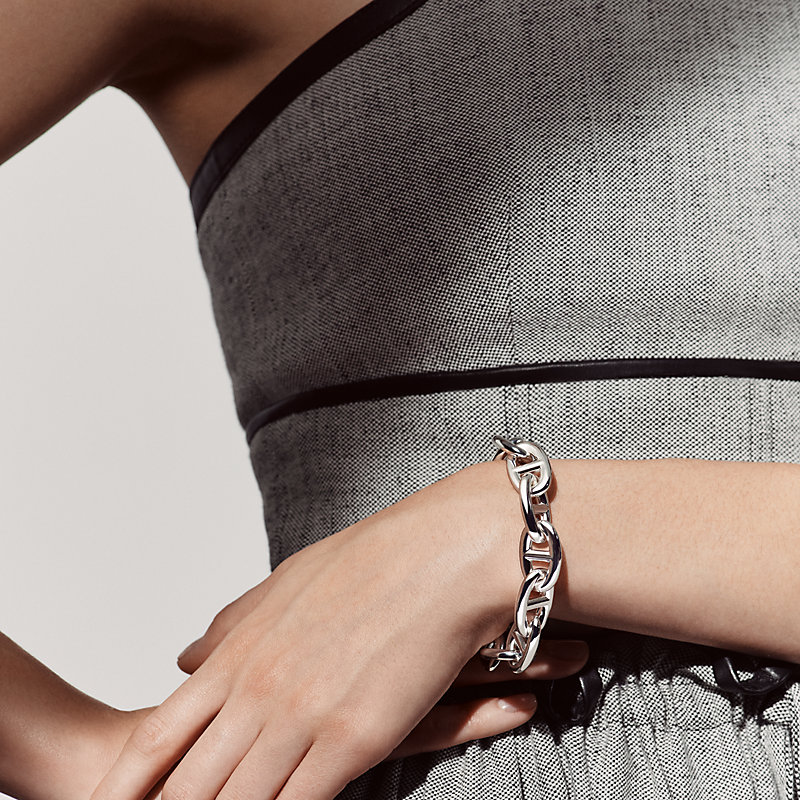
00:45: Chaine d'ancre, “Chain of anchors”
00:49: Jeu des Omnibus et Dames blanches, “White ladies at play”
00:57: The Hermès oranges
01:26: Steps to sew a saddle stitch
01:48: The Birkin Bag
03:17: Petit h